
5/11/2026
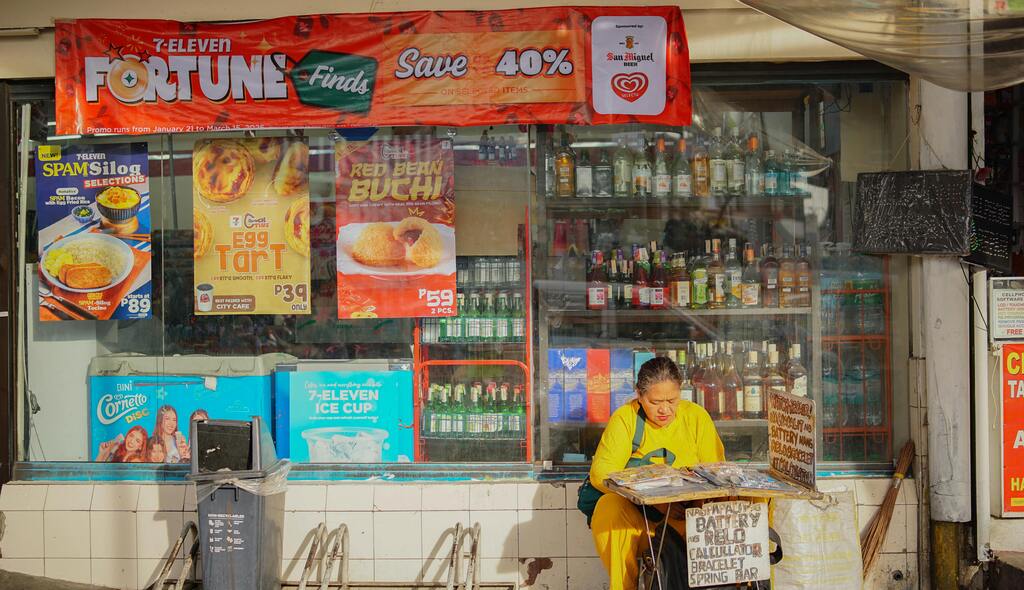
MSMEs are business activities or enterprises engaged in agri-business, industry, and/or services that differ in terms of assets and number of employees (Senate Economic Planning Office, 2012). Micro enterprises are those businesses having assets of Php 3,000,000 or less, with 1 to 9 employees. Small enterprises are those with assets of Php 3,000,001 to Php 15,000,000, with 10 to 99 employees. Medium enterprises are those with Php 15,000,001 to Php 100,000,000 in assets, and 100 to 199 employees. Businesses classified as large enterprises have bigger assets and more staff (Raquiza, 2021-01). It is interesting to note the so-called “missing or hallowed middle” phenomenon in Philippine MSME because of the low number of small enterprises (10.58%) and the almost negligible medium enterprises count (0.49%) in contrast with the vast majority of microbusinesses.
With the significant role played by MSMEs in Philippine economy, the government has enacted the landmark legislation called Magna Carta for Small Enterprises (Republic Act 6977) in 1991, which was consequently amended in 1997 to include medium enterprises (RA 8289), and in 2008 to include micro enterprises (RA 9501) (Raquiza, 2021-01). Most notable provisions of the Magna Carta are the creation of the Micro, Small, and Medium Enterprise Development (MSMED) Council and its Section 15 which required lending institutions to allot 10% of their loan portfolio to MSMEs for a 10-year period commencing in 2008 as well as penalizing them for non-compliance. There are other legislative measures created to support MSMEs like the Agri-Agra Credit Act of 2009 (RA10000), the Credit Surety Fund (CSF) Cooperative Act of 2015 (RA 10744), and the Go Negosyo Act of 2014 (RA 10644).
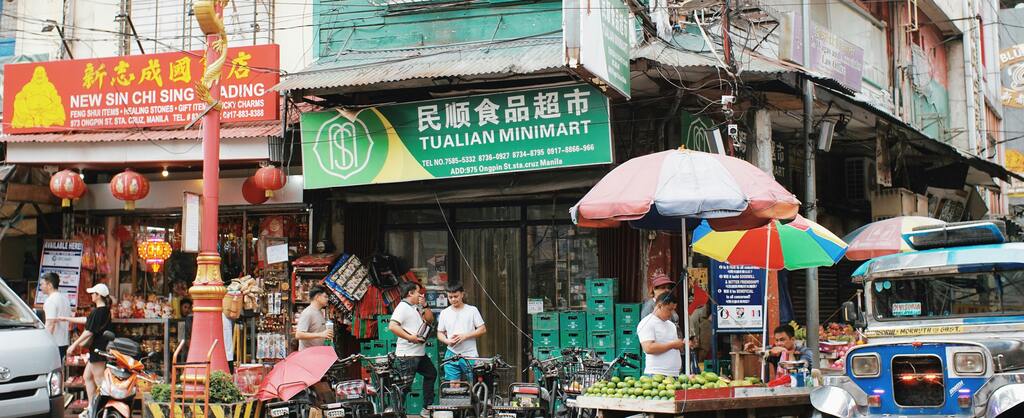
What MSMEs currently need is a push from the government in terms of affordable financing, digital transformation and adoption to technology assistance, business mentorship and staff training, access through platforms, and improved infrastructure to reduce transport and logistics costs. Hopefully, the vision of MSME Development Plan 2023-2028 Strategy Framework could be achieved, to wit: “innovative and resilient MSMEs thriving in a digitally sustainable ecosystem, creating sufficient number of quality jobs and driving high levels of continued national growth towards global competitiveness” (MSMED Council, 2024).

At Hothouse Management Consultancy, we are committed to serve our fellow MSMEs though our outsourced business services designed to fit our sector: human resource management and consultancy, administrative support services, business set-up and project management, marketing services, and many more. By working together to improve ourselves, we are likewise contributing to the development of our sector that would eventually lead to national growth. Let’s continue to act as one and strive to overcome the obstacles for progress and efficiency.
References